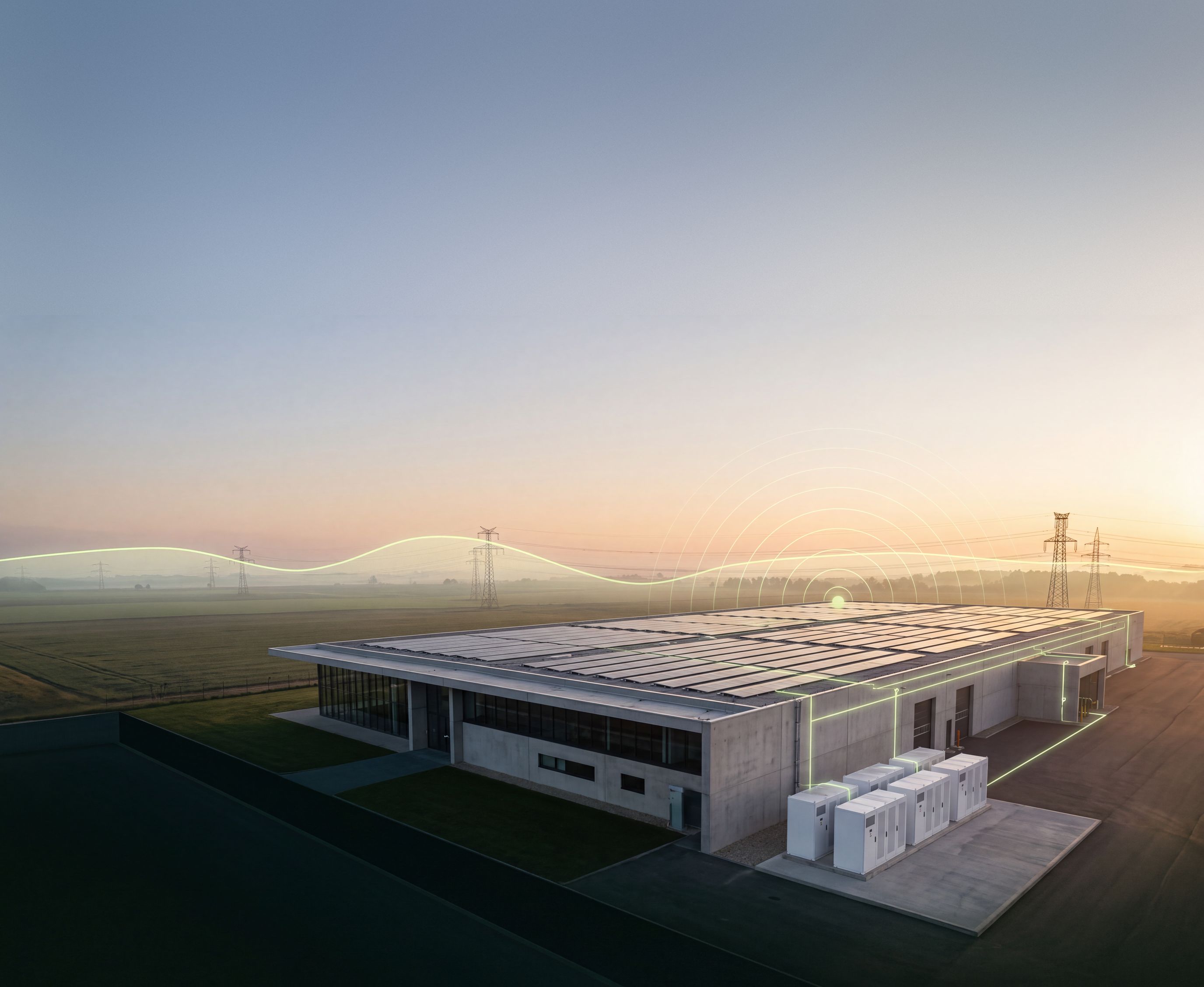
For most commodities, value comes down to price and quantity. Electricity adds a third factor: time. When a facility draws power matters as much as how much it draws, which makes the ability to shift that timing worth something.
Utility and grid-operator programs are how that flexibility gets paid for. Large energy users agree to reduce demand when the system is under stress, and are compensated for it. The grid stays balanced; the facility earns.
33,272 MW
of demand response participating across the seven US wholesale markets in 2024.*
Roughly the peak demand of six million homes, met by sites choosing to use less. Yours would be one of them.
6.5%
of RTO and ISO peak demand could be met by demand response resources in 2024.*
Order 745
FERC's ruling that energy conserved carries the same market value as energy generated.
Revenue and savings
Earn from the programs you join, and lower the peak demand charge on your own bill.
Advance warning
Hear about potential grid events early, with an agreed plan for what happens on site.
Grid stability
Your flexibility helps balance local supply and demand when the system is under strain.
Reporting data
Participation produces figures that feed straight into the reporting you already file.
* Source: FERC Staff, 2025 Assessment of Demand Response and Advanced Metering (2024 data). Program availability and earnings vary by market and by site.